


How Sewer Line Locating Helps Households
Home /

You cannot make a good sewer repair decision if you do not know where the sewer line runs. That sounds obvious, but many homeowners do not have an accurate map of the sewer line on their property.
Sewer line locating is not just about finding a pipe. It helps determine what is practical, where a problem may be occurring, and how much of the property may need to be disturbed to reach it.
Straight Shooter Plumbing & Rooter handles sewer repair in Hayden, ID, locating the line can help us understand what is happening underground before excavation or more invasive work begins.
What Is Sewer Line Locating?
Sewer line locating determines where a buried sewer pipe runs through a property.
Depending on the plumbing configuration and available access, we may trace the line from a cleanout, use electronic locating equipment, or combine locating with information from an inspection camera.
The useful information can include:
- The sewer’s general route
- Changes in direction
- Cleanout locations
- The approximate location of a suspected defect
- Where the line connects to another sewer
Locating does not repair a damaged sewer. It gives us information that can make the repair decision more precise.
Why Homeowners Should Know Where Their Sewer Line Runs
A sewer line is buried infrastructure that homeowners cannot evaluate during an ordinary walk around the property.
Yet landscaping, fences, patios, driveways, irrigation, and other improvements may eventually be installed above or near it. Knowing the route beforehand can help homeowners plan those projects without treating the sewer’s location as a guess.
It also becomes valuable when drainage problems develop.
If wastewater backs up or several fixtures drain poorly, we need to determine whether the problem is inside the home, in a branch drain, or farther downstream. Knowing the sewer route gives us another piece of information when narrowing down the problem.
Locating Becomes More Valuable When Repair Is Necessary
Sewer repairs can involve excavation, localized replacement, or trenchless methods depending on the condition and location of the damaged pipe.
Without knowing where the pipe is, excavation becomes more uncertain.
We do not want to dig across a yard simply to find a buried sewer. We want to identify the likely route and, when possible, the location of the defect before disturbing the ground.
That can reduce unnecessary excavation and help determine what access, equipment, and repair method may be required.
It can also prevent unrelated property features from becoming part of the repair simply because the sewer was not accurately located.
How Camera Inspection and Locating Work Together
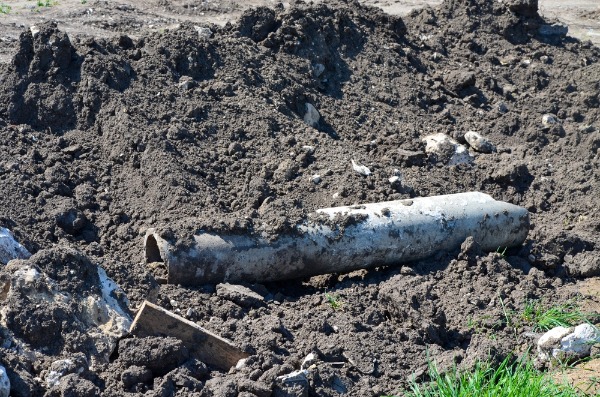
A sewer line camera inspection lets us see inside the pipe when access and conditions are suitable.
The camera may reveal:
- Root intrusion
- Cracks
- Joint offsets
- Heavy buildup
- Certain blockages
- Deformation
- Deteriorated sections
Seeing a defect inside the pipe is only part of the job. We also need to know where that defect is physically located.
Why Guessing the Location Can Become Expensive
A sewer line may not follow the path a homeowner expects.
Previous construction, additions, landscaping, or plumbing modifications can change what is underground. Digging based on an assumption can disturb lawns, hardscape, irrigation, or other buried utilities before the sewer is even reached.
Accurate locating does not eliminate every underground uncertainty. It gives us a more informed starting point and helps keep the repair focused on the actual plumbing.
Locating Helps With Root Problems
Roots are one possible cause of recurring sewer restrictions, particularly where established trees grow near buried plumbing.
A mature tree does not automatically mean its roots have entered the sewer. When an inspection does show root intrusion, however, locating the affected section helps us determine where that problem sits beneath the property.
Our sewer line root removal work is based on the actual condition of the line rather than the presence of trees alone.
This can be particularly useful around established properties in the Hayden area. Mature vegetation can coexist with buried plumbing for years before roots find an existing crack, joint, or other opening.
Once inside, roots can collect waste and interfere with flow. Removing them may restore drainage, but the condition that allowed the intrusion still needs to be considered.
Locating Helps Separate Cleaning From Repair
Knowing where the line runs also helps us put inspection findings into context.
Sewer line hydro-jetting can remove certain buildup, grease, and other obstructions from suitable piping. But cleaning is not a substitute for structural repair.
If an inspection shows that a sewer is restricted by removable material, cleaning may be appropriate. If it shows a cracked, offset, collapsed, or severely deteriorated section, repeatedly cleaning the line will not correct the underlying defect.
Locating helps identify where that defect sits so the homeowner can consider the appropriate next step instead of treating a structural problem as another blockage.
When Trenchless Repair May Be Considered
Locating can also support planning when a trenchless option is being evaluated. This is when sewer line relining may be possible, especially for some damaged pipes. Do note that it entirely depends on the existing pipe’s condition, dimensions, configuration, access, and the type of defect. Locating helps establish where the affected line is and where access may be required.
It does not make every sewer suitable for trenchless repair. We still need to evaluate the pipe itself and determine whether the proposed method addresses the actual failure.
Why Location Matters for Long-Term Maintenance
Sewer locating is useful even when the immediate goal is not repair.
Knowing the route of the line can help homeowners document their plumbing before landscaping or other property improvements. It can also make future service more efficient when recurring roots, blockages, or other problems develop.
Our sewer line maintenance programs make sense for properties with recurring issues, but the appropriate approach depends on the plumbing system, previous failures, pipe condition, and property-specific risks.
A known sewer route gives us a much better reference point for that planning.
Hayden Properties Can Have Complicated Underground Conditions
A property’s visible layout does not always reveal its plumbing history.
Older homes may have undergone additions, remodeling, landscaping changes, or previous plumbing repairs. Sewer lines may pass beneath lawns, driveways, gardens, or other areas developed long after the original plumbing was installed.
Cold winters also form part of the broader picture. Freeze-related problems are more likely to affect vulnerable plumbing near the surface or in exposed areas, while buried sewer lines have different conditions underground.
We do not attribute every sewer problem to weather. We consider the property’s age, plumbing configuration, landscape, drainage symptoms, and inspection findings together.
What We Look For Before Recommending Repair
We do not recommend excavation simply because a sewer problem exists.
We start with the symptoms and determine where the affected section is likely located. Where appropriate, we use inspection findings to identify the condition inside the line and connect those findings to the physical property.
From there, we can discuss cleaning, maintenance, excavation, localized repair, or trenchless options based on the actual condition of the sewer.
Our family-operated full-service plumbing company serves homes, businesses, and industrial facilities. Our licensed, bonded, and insured plumbers have more than 30 years of combined plumbing experience.
We provide free estimates and a full workmanship guarantee. We also offer 24/7 emergency service for urgent plumbing problems.
Frequently Asked Questions
Do I need to locate my sewer line before landscaping?
It can be useful to know where buried sewer infrastructure runs before installing trees, hardscape, structures, or other landscaping features. This is particularly helpful when existing plumbing records are incomplete.
Does locating the sewer line mean it needs to be repaired?
No. Locating provides information about the position of the pipe and does not by itself indicate that the pipe is damaged.
Can sewer locating help with root problems?
Yes. When root intrusion is identified, locating can help determine where the affected portion of the line sits beneath the property.
Can locating reduce excavation?
Accurate locating can help identify where excavation should occur when excavation is necessary. It does not eliminate the need to dig when a buried pipe must be physically accessed and repaired.
Know Where the Problem Is Before You Dig
A sewer problem becomes easier to plan when you know where the pipe is and where the defect is located.
Sewer line locating connects what we see inside the pipe with what is happening above ground, helping homeowners make more informed decisions about cleaning, maintenance, excavation, and repair.
If you need sewer repair in Hayden, ID, contact our team to discuss the condition and location of your sewer line before committing to unnecessary excavation. We offer free estimates and bring more than 30 years of combined plumbing experience to sewer and plumbing work.
Contact Straight Shooter Plumbing and Rooter Now!
Straight Shooter Plumbing and Rooter is your leading plumber in Idaho, Texas, and Tennessee. Call us or fill out the form to schedule an appointment.