


Can Your Plumbing Pipe Be Repaired Instead of Replaced?
Home /

Straight Shooter Plumbing & Rooter can repair a damaged section when the surrounding pipe is still structurally sound. The decision depends on where the damage is, how extensive it is, and how much of the line remains in usable condition.
We see this question often in Rathdrum. Older homes can contain a mix of pipe materials from different installation periods, while newer properties may have modern plastic piping alongside older connections.
As experts in pipe repair services in Rathdrum, ID, our job is not to recommend replacement simply because a pipe has failed. We first determine whether a localized repair is technically appropriate.
When Can a Plumbing Pipe Be Repaired?
A pipe is generally a better candidate for localized repair when the damage is limited and the rest of the line remains in reasonable condition.
For example, a single failed connection, isolated crack, puncture, or damaged section may be repairable without replacing the entire run. The repair may involve replacing a short section of pipe, correcting a failed connection, or addressing the component responsible for the leak.
The key question is not simply, “Where is the water coming from?”
We need to determine how much of the plumbing system has been affected.
A localized problem in otherwise sound piping is very different from a leak caused by widespread corrosion or aging throughout the line.
The Location of the Damage Comes First
A visible leak does not necessarily show where the pipe actually failed.
Water can travel along framing, flooring, insulation, or other surfaces before becoming visible. A small leak behind a wall may therefore produce staining several feet away from the damaged section.
We start by identifying the affected plumbing and narrowing down the source.
Accessible piping makes this process easier. A supply line under a sink, behind a water heater, or in an exposed utility area can often be examined directly. Pipes concealed behind finished walls or beneath floors require more careful investigation before access is created.
We want to avoid opening a large area when the actual repair may only involve a small section.
A Single Leak Does Not Always Mean the Whole Pipe Is Bad
One of the most important distinctions we make is between isolated failure and systemic deterioration.
Consider an older copper water line with one failed connection. If the rest of the accessible pipe shows good structural condition, replacing the affected section may be reasonable.
Now consider a pipe with corrosion visible at multiple points, recurring pinhole leaks, or extensive deterioration. Repairing one hole may stop today’s leak without addressing the reason another one could appear later.
The repair decision has to account for the condition of the surrounding pipe.
This is particularly relevant in older Rathdrum properties where plumbing may have been repaired or modified over several decades. A single home can contain sections of different materials and connections that were installed at different times.
When a Plumbing Repair Makes Sense
We look for several factors before recommending localized work.
The damage is confined to one section
A short damaged section can often be removed and replaced without disturbing the rest of the line.
The surrounding pipe remains structurally sound
A repair makes less sense if the pipe around the failure is heavily corroded, brittle, or showing multiple signs of deterioration.
The cause can be addressed
If a pipe fails because of a damaged fitting, mechanical impact, freezing, or another localized problem, correcting that issue can reduce the chance of the same failure recurring at that location.
The remaining pipe has reasonable serviceability
A repair should leave the plumbing system with a reasonable expectation of continued service. If several sections are already failing, a larger replacement may be more practical.
Access is manageable
We account for the actual property conditions before deciding how to proceed.
What About a Burst Pipe?
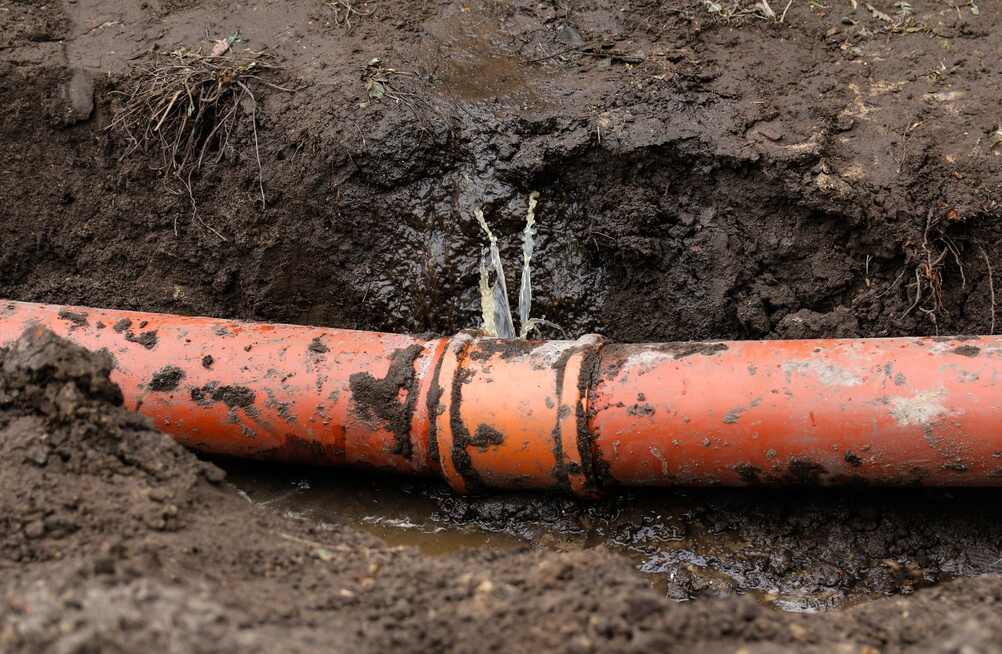
A burst pipe can range from a localized failure to a major plumbing emergency.
Freezing is one possible cause. In Rathdrum, winter temperatures can fall well below freezing, and vulnerable plumbing in unheated areas can be exposed to substantial temperature changes. Water expands as it freezes, creating pressure within a closed section of pipe that can contribute to a rupture.
But not every burst requires an entire plumbing system to be replaced.
If the failure is confined to one accessible section and the surrounding piping is in good condition, repairing that section may be appropriate. If the pipe has suffered extensive damage or other sections show similar problems, broader replacement may be necessary.
Pipe Material Changes the Repair Decision
The type and condition of the pipe matter.
Copper, galvanized steel, PEX, PVC, CPVC, and other plumbing materials have different characteristics and failure patterns. The existing material also affects how a damaged section can be repaired and what replacement material may be suitable.
Some differences between materials:
- Galvanized steel: Can develop internal corrosion and restricted flow as it ages. A single leak may be repairable, but widespread corrosion can make repeated spot repairs a poor long-term strategy.
- Copper: Can develop pinhole leaks in some conditions. One isolated failure does not necessarily prove that the entire system needs replacement, but multiple failures can indicate a broader problem.
- PEX: This material has different failure modes, and connections can become a more relevant inspection point.
We look at the actual piping rather than applying one repair rule to every material.
When Full Pipe Replacement Makes More Sense
There are situations where replacing the affected run is more appropriate than continuing with localized repairs.
Repeated leaks are one warning sign.
If we repair one section and another section fails shortly afterward, the problem may not be the individual leak. The pipe itself may be reaching the end of its useful service life or experiencing a condition that is affecting multiple sections.
Widespread corrosion is another concern. Repairing one corroded area does not restore the structural condition of the rest of the line.
If a buried or concealed line has multiple damaged areas, creating separate access points for repeated repairs may cause more disruption than replacing the affected run through a planned approach.
Repair Versus Replacement Is Not Just About Age
Age is useful information, but it should not be the only deciding factor.
Two homes of the same age can have very different plumbing conditions. One may have been maintained and repaired properly for decades. Another may have extensive corrosion, poor previous repairs, incompatible connections, or sections that have already failed.
We consider:
- Pipe material
- Location of the damage
- Number of failed areas
- Condition of surrounding pipe
- Previous repairs
- Cause of the failure
- Accessibility
- Water pressure
- Risk of additional failures
- Expected service life of the existing system
That gives us a more useful basis for recommending repair or replacement.
What a Proper Pipe Repair Should Address
A successful repair is more than stopping visible water.
We need to correct the failed section while maintaining the integrity of the surrounding plumbing. That means using appropriate materials and connections for the system and accounting for the operating conditions of the line.
A leaking pipe repair may be relatively straightforward when the failed section is accessible and isolated. A concealed leak can require more investigation before the repair can begin.
We also look for evidence of secondary damage. A long-running leak behind a wall or below flooring may have affected surrounding building materials even after the pipe itself is repaired.
Stopping the water is the first part. Understanding what happened and checking the surrounding system are also important.
Can a Water Leak Be Repaired Without Replacing the Whole Line?
Often, yes.
A water leak repair can involve replacing a limited section of pipe or correcting a failed connection rather than removing an entire run. Whether that is appropriate depends on the condition and configuration of the existing plumbing.
If the surrounding pipe is sound, localized repair can make sense. If the leak is one of several failures in an aging or deteriorated system, replacement may provide a more appropriate long-term solution.
We explain the condition we find before recommending the scope of work.
Why Repeated Spot Repairs Can Become a Problem
Spot repairs are useful when the problem is genuinely localized.
They become less attractive when the same line keeps failing.
Imagine a long run of deteriorated piping with several weak points. Repairing the first leak solves the immediate failure. A second repair addresses the next one. Eventually, the homeowner has paid for multiple interventions without resolving the underlying condition of the line.
That does not mean every old pipe needs immediate replacement. It means the repair history should be considered when deciding what to do next.
What We Recommend When the Answer Is Not Obvious
Sometimes the evidence points clearly toward repair. Other situations require a closer look.
As a family-operated full-service plumbing company, we work on residential, commercial, and industrial plumbing systems. Our licensed, bonded, and insured plumbers have more than 30 years of combined plumbing experience.
We provide free estimates and a full workmanship guarantee. We also offer 24/7 emergency service when a failed pipe is actively releasing water or creating an urgent plumbing problem.
Our $89 drain cleaning includes a free camera inspection, but that offer applies to drain cleaning and should not be confused with a general pipe-repair inspection.
Frequently Asked Questions
Is it cheaper to repair a pipe than replace it?
A localized repair can require less work than replacing an entire plumbing run, but cost depends on the pipe, location, accessibility, damage, and condition of the surrounding system.
How do I know if a pipe needs replacement?
Multiple leaks, widespread corrosion, recurring failures, severely deteriorated piping, or a history of repeated repairs can indicate that replacement deserves consideration.
Can a burst pipe be repaired?
Yes, if the failure is localized and the surrounding pipe remains in suitable condition. Extensive damage or widespread deterioration can make replacement more appropriate.
Does an old pipe always need to be replaced?
No. Age alone does not establish that an entire plumbing system has failed. Material, condition, repair history, and the extent of deterioration should also be evaluated.
Find Out Before You Replace
A leaking pipe does not automatically mean the entire line has reached the end of its life. If you’re dealing with an active leak or a damaged section of plumbing, call Straight Shooter Plumbing & Rooter for a professional assessment. Get a free estimate before assuming you need to replace more pipe than necessary.
Contact Straight Shooter Plumbing and Rooter Now!
Straight Shooter Plumbing and Rooter is your leading plumber in Idaho, Texas, and Tennessee. Call us or fill out the form to schedule an appointment.