


Dealing With Leach Line Problems The Right Way
Home /

A failing leach line can make a septic system look like it has a tank problem when the real issue is farther down the system. Wet spots in the yard, sewage odors, slow drainage, unusually green grass, or wastewater surfacing near the drain field can point to a leach line that is no longer accepting effluent properly.
The right response depends on the failure. When we handle septic tank repairs in Rathdrum, ID, we look beyond the tank itself. The leach area, distribution components, soil conditions, groundwater, and overall septic system all affect where the failure is occurring and what can realistically be done about it.
What a Leach Line Actually Does
After wastewater leaves the septic tank, liquid effluent needs somewhere to go.
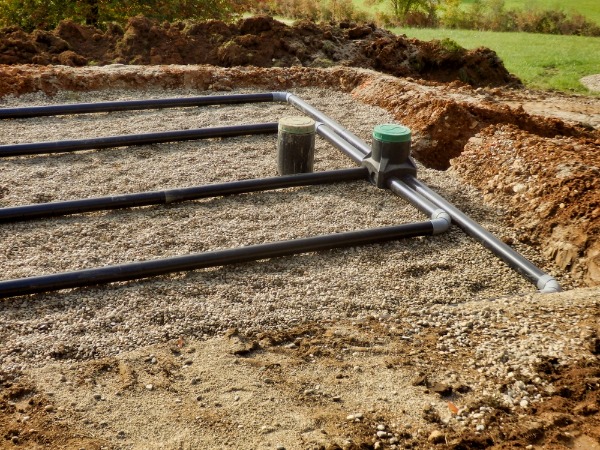
Leach lines distribute that effluent through perforated piping installed in an absorption area. The surrounding soil receives the liquid and provides the final stage of wastewater treatment as it moves through the soil profile.
The system depends on several things working together:
- The septic tank must separate solids and liquids properly.
- Effluent must leave the tank at the intended rate.
- Distribution piping must remain open and structurally intact.
- The soil must have enough capacity to absorb the wastewater.
- The drain field must not remain saturated.
- The system must be sized and used appropriately for the property.
A problem in one part can place stress on the others.
That is why we do not treat standing wastewater as proof that the leach lines themselves are defective. We first look for the actual cause.
The First Question: Is the Leach Line Really the Problem?
This is where professional evaluation becomes important.
A septic backup can originate from the tank, outlet components, distribution system, piping, or absorption area. Excessive water use can also overwhelm a system that otherwise appears functional.
We look at the symptoms and the system’s history.
For example, a drain field that becomes saturated after heavy rain may behave differently from one that remains wet during an extended dry period. Rathdrum’s cold winters, snow accumulation, spring runoff, and changing soil moisture can affect how water moves through a property.
That does not mean seasonal moisture is automatically a septic failure. It means the timing and location of the symptoms provide useful evidence.
If wastewater repeatedly surfaces in the same area, the soil stays saturated, or the system struggles even when household water use is normal, the leach area deserves closer attention.
Common Signs of a Leach Line Problem
Some warning signs are easy to dismiss because the septic system may continue working for a while.
Watch for:
- Wet ground over or near the drain field
- Sewage odors outdoors
- Wastewater surfacing in the yard
- Unusually lush grass over part of the absorption area
- Slow drains throughout the house
- Recurring septic backups
- Gurgling fixtures
- Standing water near distribution or drain field components
- Problems that return shortly after pumping
One symptom alone does not identify the failure.
A wet patch could have another source. A slow drain could be caused by a blockage closer to the house. A recently pumped tank that fills again unusually quickly may point toward a broader system issue.
The pattern is more useful than any single symptom.
Why Pumping the Tank May Not Fix the Problem
Pumping removes accumulated solids from the septic tank. It does not restore soil absorption capacity.
If the tank is full because it has not been serviced appropriately, pumping may address the immediate problem. If wastewater is backing up because the downstream absorption area cannot accept effluent, pumping alone does not correct that restriction.
This is a common point of confusion, as the tank and leach field perform different jobs. A tank problem requires a different response from a failed absorption area.
Repeated pumping without investigating the reason for recurring problems can postpone the actual repair.
What Can Cause Leach Line Failure?
Leach lines can struggle for several reasons.
One is excessive solids entering the drain field. If the septic tank is not functioning properly or is allowed to accumulate too much sludge, solids can move downstream and interfere with the distribution system.
Hydraulic overload is another possibility. Large amounts of water entering the system in a short period can exceed the rate at which the soil can accept effluent.
Compacted or poorly draining soil can also limit absorption. Groundwater conditions matter as well. In the Rathdrum area, seasonal changes in precipitation, snowmelt, and soil moisture can influence how quickly water leaves the drain field.
Physical damage is a different category.
Buried piping can be damaged by settling, excavation, vehicles, tree or plant roots, or deterioration of older components. A damaged line may require a localized repair rather than replacement of the entire absorption area.
When Leach Line Repair May Be Possible
A localized failure does not necessarily mean the entire system needs to be replaced. When leach line repair & replacement is being considered, we need to establish which situation exists before recommending work.
If a specific section of piping is damaged, disconnected, crushed, or obstructed, repair may be possible depending on the system’s design and condition.
There is a major difference between repairing a broken pipe and trying to restore an absorption area that has lost its ability to accept wastewater. The first may be a localized plumbing problem. The second can involve the soil itself and require a much larger solution.
When Replacement Becomes the More Practical Option
Replacement becomes more likely when the existing absorption area has sustained extensive failure or cannot reliably accept the property’s wastewater load.
The condition of the soil matters. So does the available space, system configuration, property layout, and applicable site requirements.
We do not treat replacement as the automatic answer simply because a septic system is old.
Likewise, we do not recommend repeated localized repairs when the underlying absorption area is no longer performing adequately.
A replacement project may involve more than installing new pipe. The appropriate design depends on the property and the system’s specific requirements.
Do Not Dig Up the Yard Before the System Is Evaluated
A leach field can cover a substantial portion of a property. Excavating based on a guess can damage functioning components while failing to address the actual failure.
Before disturbing the ground, we want to know what the system is doing and where the problem is occurring.
That can involve reviewing the system history, examining accessible components, looking at the distribution arrangement, evaluating drainage symptoms, and determining whether the problem appears localized or systemic.
For a property with mature vegetation or established landscaping, this matters even more. Rathdrum-area homes may have yards, trees, gardens, outbuildings, and other features that make unnecessary excavation disruptive.
What About Trees and Roots?
Roots deserve attention, but they should not automatically be blamed for every septic problem.
Roots can enter damaged or poorly sealed piping and interfere with flow. Large vegetation near a drain field can also create concerns depending on the system design and planting location.
We look for evidence before attributing a failure to roots.
Removing roots from a pipe does not repair a cracked section that allows the roots to enter. If the pipe remains damaged, the problem can return.
Water Use Can Tell Us Something
A septic system has a finite hydraulic capacity.
If a household suddenly uses substantially more water than normal, the additional flow can place greater demand on the tank and absorption area. A failing system may become noticeably worse during periods of heavy use.
That can include multiple loads of laundry, long showers, frequent guests, leaking fixtures, or other sources of continuous water flow.
A leaking toilet can be especially problematic because it may send water into the septic system around the clock without being obvious.
Reducing unnecessary water use can help limit hydraulic stress, but it should not be treated as a repair for a failed leach field.
Where Septic Services Fit Into the Bigger Picture
Our septic services focus on identifying what the system actually needs rather than treating every symptom as the same problem.
That may mean addressing a tank issue, investigating the distribution system, repairing damaged piping, or determining whether the absorption area needs more extensive work.
We serve residential, commercial, and industrial properties, so system size and configuration can vary substantially. A commercial property with higher wastewater volumes cannot be evaluated using the same assumptions as a small residential system.
Our plumbers are licensed, bonded, and insured. We are a family-operated full-service plumbing company with more than 30 years of combined plumbing experience, and we provide free estimates along with a full workmanship guarantee.
What Happens Before a Major Septic Repair?
We want the proposed repair to correspond with the actual failure.
That starts with information. We consider the reported symptoms, recent history, system configuration, visible conditions, and any accessible components that can help establish where the problem originates.
If the evidence points toward a leach line failure, we then consider whether the issue appears localized or involves the absorption area itself. Our role is to separate those possibilities before the property owner commits to major excavation.
What About Installing a New Septic System?
Some properties reach a point where repair is no longer practical.
When a new system is required, septic tank installation involves more than placing a tank in the ground. The tank, distribution system, soil conditions, available space, wastewater load, and applicable site requirements all have to work together.
The same applies when comparing an existing system with a proposed replacement.
A new tank will not solve a failed absorption area by itself. The entire wastewater treatment system needs to be considered.
If replacement is appropriate, qualified septic tank installers need to account for the property’s physical and wastewater conditions rather than treating the tank as a standalone component.
Why Repeated Backups Should Not Be Ignored
A septic system can deteriorate gradually. The first warning may be a slow drain. Later, a yard develops a wet area. Then odors appear. Eventually, wastewater surfaces or backs up into the home.
If the same septic problem keeps returning after pumping, cleaning, or other short-term measures, we recommend investigating why it keeps happening. The recurring symptom is information about the system.
Frequently Asked Questions
Can a leach line be repaired?
Yes, some localized leach line failures can be repaired if the surrounding system and soil remain functional. Extensive absorption failure may require replacement instead.
Does pumping a septic tank fix a failed leach field?
No. Pumping removes solids and wastewater from the tank, but it does not restore soil that has lost its ability to absorb effluent.
Can heavy rain cause septic problems?
Heavy rain and saturated soil can affect how wastewater moves through a drain field. Persistent failure after conditions return to normal should be investigated rather than automatically attributed to weather.
Do tree roots always mean the leach line needs replacement?
No. Roots can enter damaged piping, but the appropriate repair depends on the condition and extent of the damage.
How do I know if my septic system needs replacement?
Repeated failures, inadequate absorption, extensive system damage, or site limitations can make replacement necessary. A professional evaluation is needed to distinguish those conditions from a localized repairable problem.
Address the Cause Before the Yard Becomes the Warning Sign
A leach line problem rarely starts with wastewater visibly surfacing in the yard. The system may provide smaller warnings first: recurring backups, slow drainage, wet soil, odors, or changes in how quickly the tank fills.
That is where our opening point comes back into focus. We can help determine whether the problem involves the septic tank, distribution system, piping, or absorption area.
Straight Shooter Plumbing & Rooter provides free estimates, 24/7 emergency service, and a full workmanship guarantee. If you are dealing with recurring septic problems in Rathdrum, ID, contact us before digging up the property or paying for another temporary fix.
Contact Straight Shooter Plumbing and Rooter Now!
Straight Shooter Plumbing and Rooter is your leading plumber in Idaho, Texas, and Tennessee. Call us or fill out the form to schedule an appointment.